

Pilgrimage - Seasonally Renowned Sites
Seasonally Renowned Sites
India is a land where every day feels like a celebration. From grand processions to intimate village rituals, festivals bring together the colors, sounds, and emotions that make India truly unique. At Krrish Heritage, we design journeys that let you experience these festivals not as a spectator, but as a participant.
Why experience festivals with us?
• Authenticity: Celebrate alongside local communities, not just at tourist shows.
• Diversity: From spiritual gatherings to cultural carnivals, discover the variety of Indian traditions. • Comfort: Well-planned itineraries ensure you enjoy the vibrancy without the stress of large crowds. • Stories & Memories: Our expert guides help you understand the deeper meaning behind each ritual.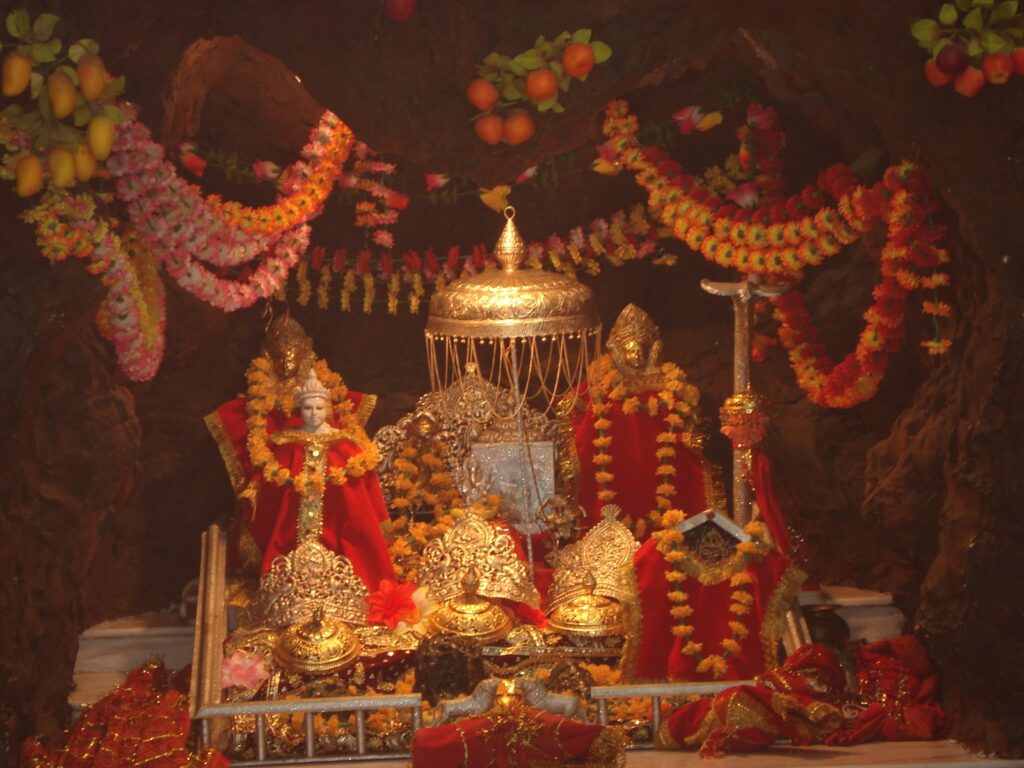
Vaishno Devi Temple – Jammu & Kashmir
Vaishno Devi Temple is one of India’s most sacred Shaktipeeths, attracting millions of devotees every year. The pilgrimage involves a 12–13 km trek to the holy Bhawan located in the Trikuta Mountains. The best season to visit is March to June when the weather is pleasant, and also September to November for clear skies. During winter, the region receives snowfall, but many devotees still visit for a peaceful darshan. The shrine is open throughout the year, and special crowds gather during Navratri. Helicopter services, ponies, and battery cars support pilgrims during their climb. The temple is believed to fulfill wishes for those who visit with devotion. The yatra includes Darshan of Mata Vaishno Devi along with other sacred points like Ardhkuwari. Security and facilities are well-developed, making it one of India’s most organized pilgrimages. The spiritual atmosphere and mountain views make the journey memorable for every pilgrim.
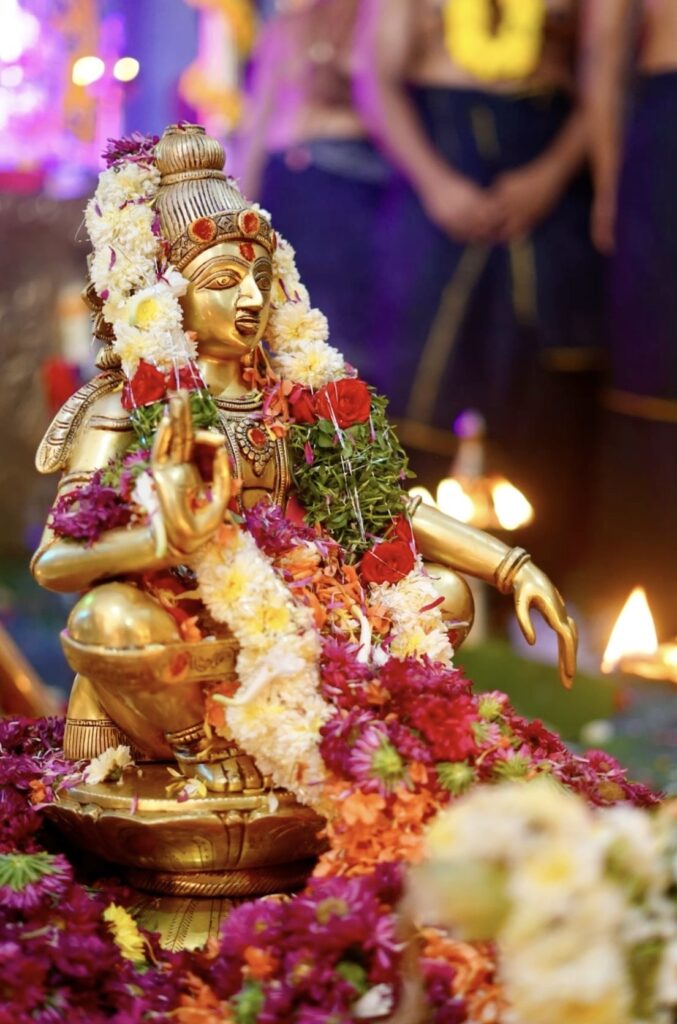
Sabarimala – Kerala
Sabarimala Ayyappa Temple is one of the largest annual pilgrimages in the world. The main season is Mandala – Makaravilakku from mid-November to mid-January. The temple is also open for Vishu (April) and a few other monthly pujas. Pilgrims usually observe 41 days of vratham involving strict fasting, purity, and discipline. The journey to the hill shrine requires trekking through dense forests to reach Sannidhanam. Only men and women above 10 years and below 50 years traditionally visit due to customs. The temple is dedicated to Lord Ayyappa, symbolizing dharma, devotion, and self-control. The Makaravilakku light and Makarajyothi attract massive crowds every January 14th. The area has strict crowd control, medical facilities, and eco-protection measures. The pilgrimage is considered a path of purification and surrender to Lord Ayyappa.
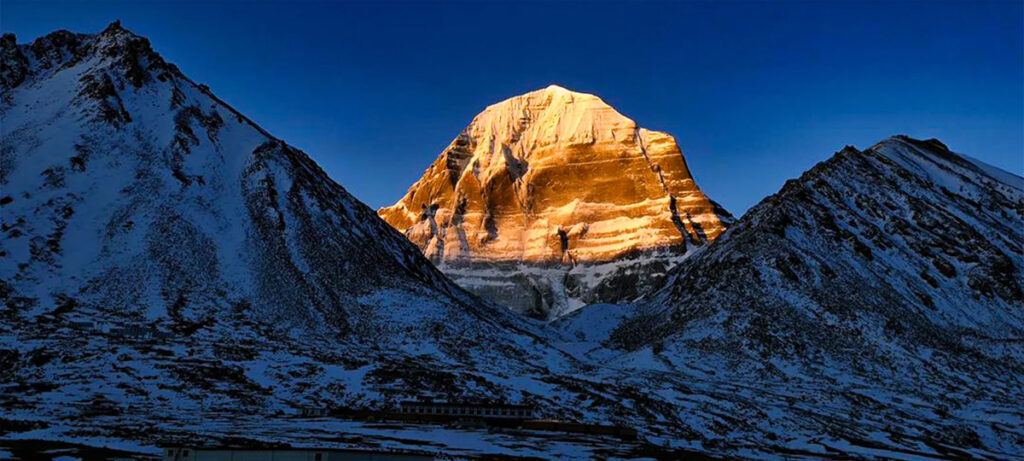
Kailash Mansarovar – Tibet
Kailash Mansarovar is one of the toughest and most sacred pilgrimages in the world. The best season is May to September, when the mountain passes are open. The journey is organized mainly through the Indian Government (ME A) or private operators. Pilgrims must undergo strict medical tests due to high altitude. Mount Kailash is considered the abode of Lord Shiva, while Mansarovar Lake is believed to purify all sins. The Kailash Parikrama is a physically demanding trek around the sacred mountain. Weather is unpredictable with very cold temperatures even in summer. Pilgrims from Hindu, Buddhist, Jain, and Bon faiths consider the region sacred. The sunrise and reflections on Mansarovar Lake are considered spiritually powerful. The pilgrimage is a once-in-a lifetime spiritual experience requiring devotion, endurance, and mental strength.
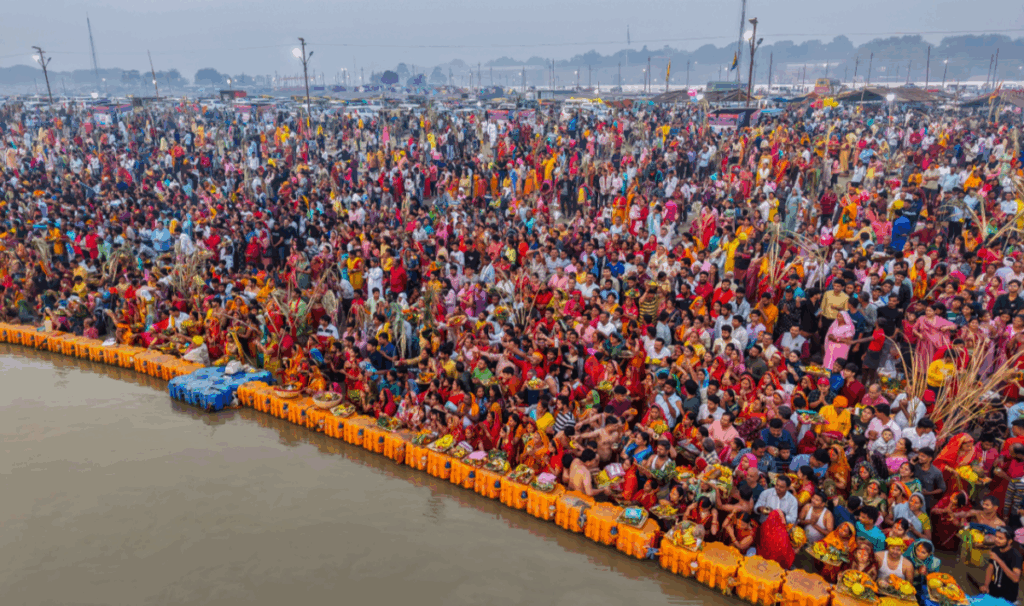
Kumbh Mela – Four Cities
Kumbh Mela is the biggest spiritual gathering on earth held every 12 years in Haridwar, Prayagraj, Nashik, and Ujjain. The festival rotates between these four cities based on astrological positions of the Sun, Moon, and Jupiter. The most sacred time is Shahi Snan, when lakhs of sadhus take the holy dip. Millions of pilgrims visit throughout the mela months for Ganga-Yamuna-Saraswati blessings. The season generally falls in January to April, depending on the host city. Ardh Kumbh occurs every 6 years, while the Maha Kumbh happens every 144 years. Devotees believe that bathing in the rivers during this time washes away sins and liberates the soul. The mela includes spiritual discourses, akhara camps, yoga, and mass feeding. Security, sanitation, and health services are arranged on a large scale. The festival represents India’s ancient traditions, unity, and divine energy.
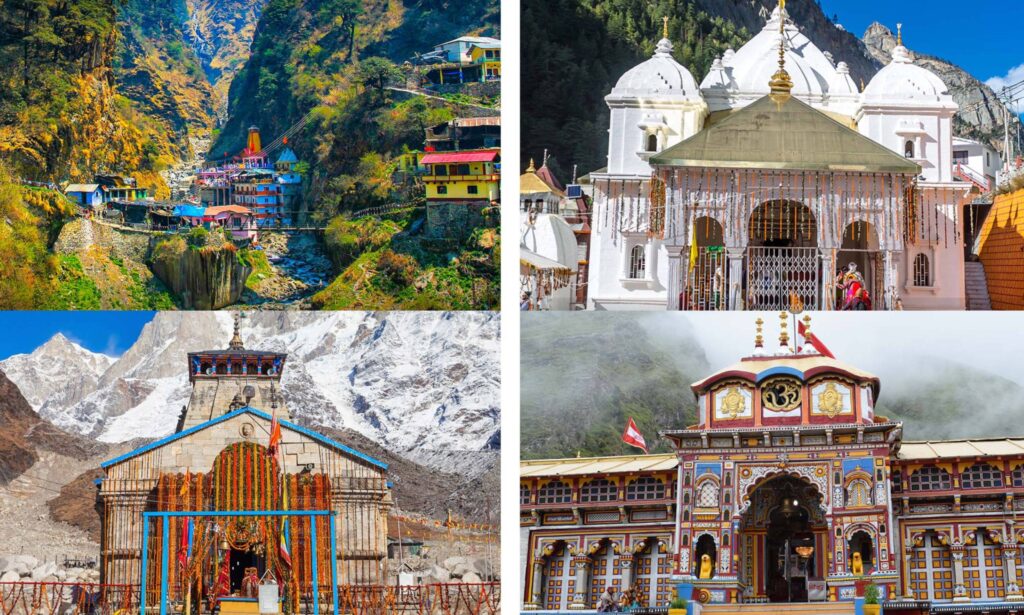
Char Dham – Uttarakhand (Yamunotri, Gangotri, Kedarnath, Badrinath)
The Char Dham Yatra opens every year in April–May (Akshaya Tritiya) and closes by October–November (Diwali). This is a seasonal pilgrimage due to heavy snowfall in winter. Pilgrims visit Yamunotri, Gangotri, Kedarnath, and Badrinath in a clockwise route. Each site represents sacred rivers, Shiva’s abode, and Vishnu’s blessings. The best months are May–June and September–October, avoiding monsoon landslides. Kedarnath requires a long trek or helicopter access, while others have road connectivity. Millions of devotees undertake this journey for moksha and spiritual cleansing. Weather can change suddenly, so safety measures and registrations are mandatory. Hotels, GMVN lodges, and medical facilities support the pilgrims. The Himalayan atmosphere, glaciers, waterfalls, and temples create a divine spiritual journey.
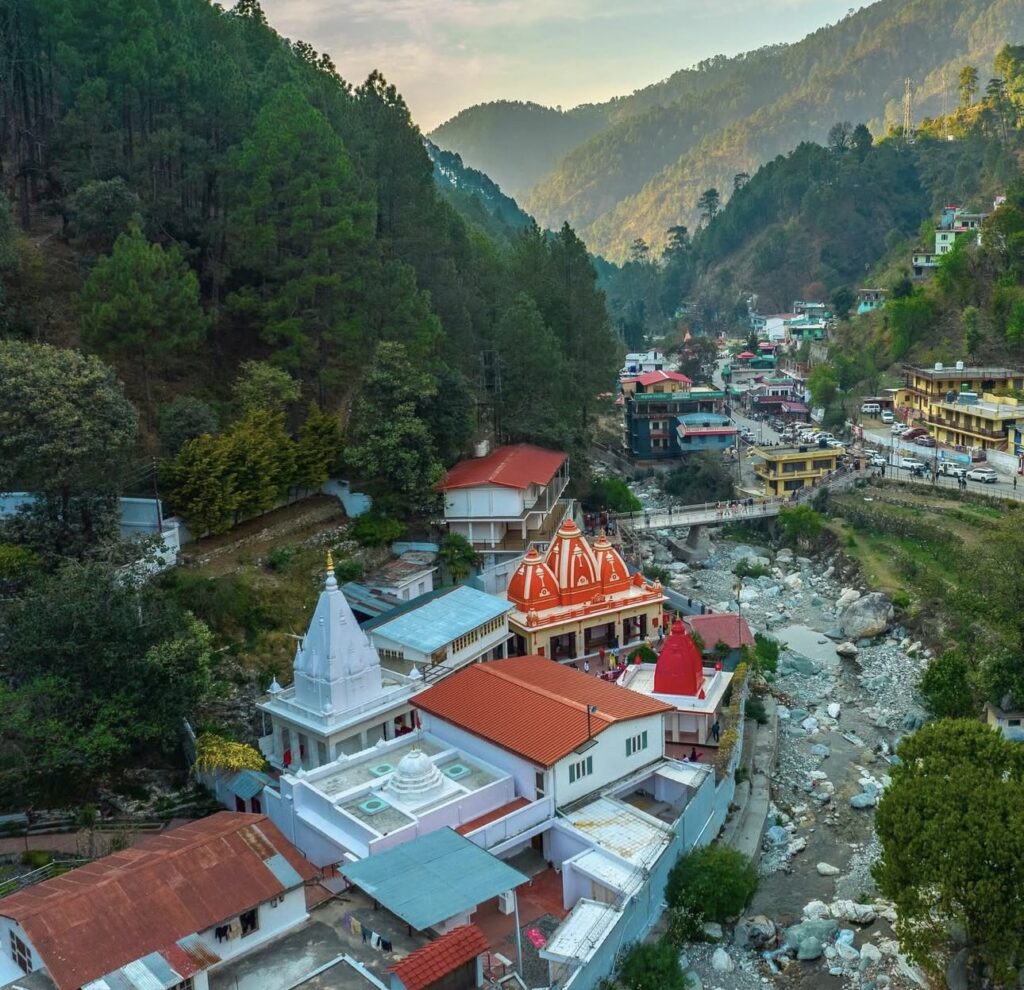
Kanchi Dham
Kanchi Dham, also known as Neem Karoli Baba Ashram, is a revered spiritual center located in the serene hills near Nainital in Uttarakhand. The ashram gained worldwide recognition because it was the place where the great saint Neem Karoli Baba lived and blessed devotees. It is surrounded by lush green forests and peaceful landscapes, creating a naturally meditative atmosphere. The temple complex houses shrines of Hanuman Ji, who was the central deity worshipped by Neem Karoli Baba. Thousands of devotees visit this dham every year seeking peace, blessings, and spiritual upliftment. Kanchi Dham is also famous because global personalities like Steve Jobs and Mark Zuckerberg visited it for spiritual guidance. The atmosphere inside the ashram is quiet, disciplined, and filled with the chanting of bhajans. Accommodation for visitors is simple and traditional, maintaining the ashram’s purity and spiritual ambience. The best time to visit is during the cool months when the surrounding nature is at its most beautiful. Kanchi Dham continues to inspire devotees worldwide with its message of love, simplicity, and devotion.