


Heritage - Architectural Marvels
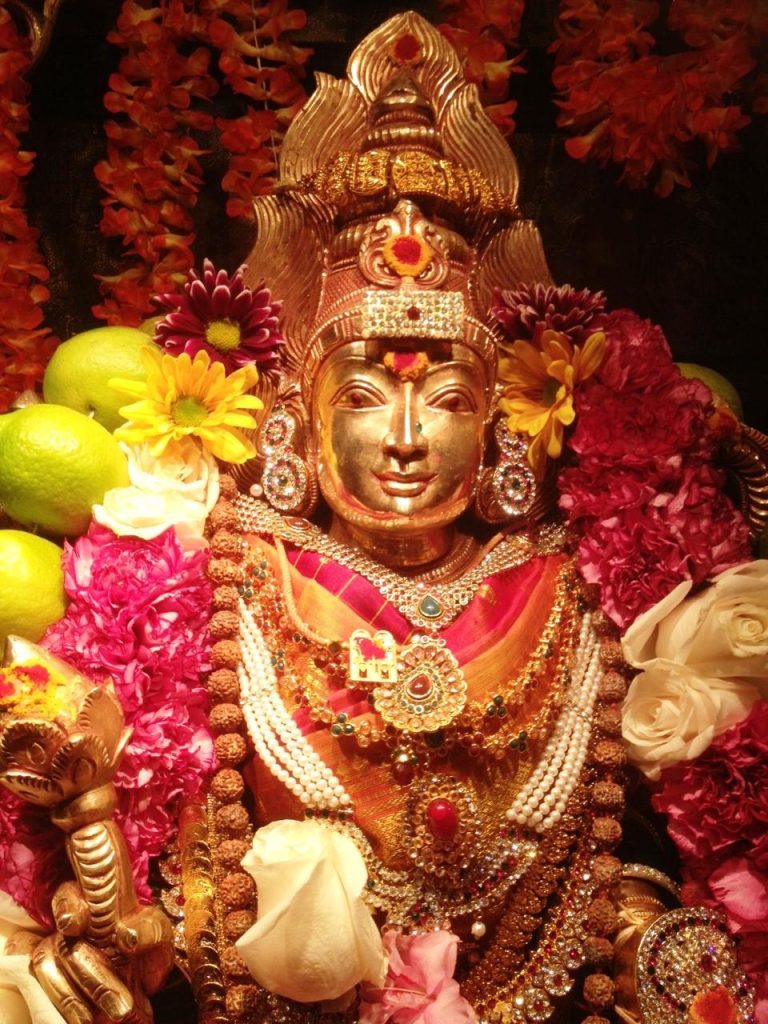
Architectural Marvels
India is a land where every day feels like a celebration. From grand processions to intimate village rituals, festivals bring together the colors, sounds, and emotions that make India truly unique. At Krrish Heritage, we design journeys that let you experience these festivals not as a spectator, but as a participant.
Why experience festivals with us?
• Authenticity: Celebrate alongside local communities, not just at tourist shows.
• Diversity: From spiritual gatherings to cultural carnivals, discover the variety of Indian traditions. • Comfort: Well-planned itineraries ensure you enjoy the vibrancy without the stress of large crowds. • Stories & Memories: Our expert guides help you understand the deeper meaning behind each ritual.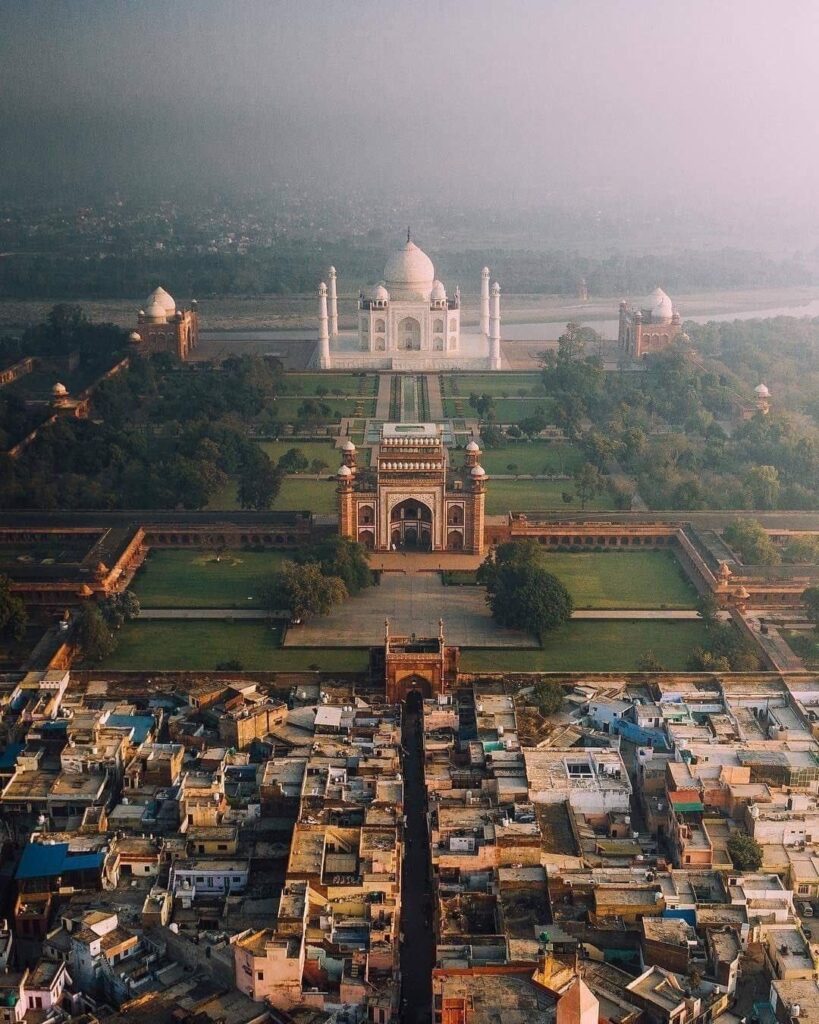
Taj Mahal, Agra
The Taj Mahal, located in Agra, Uttar Pradesh, is one of the most beautiful monuments in the world and a UNESCO World Heritage Site. It was built by the Mughal Emperor Shah Jahan in the 17th century as a symbol of love and devotion to his wife Mumtaz Mahal, who died during childbirth. Construction began in 1632 and took about 22 years to complete, with thousands of artisans and craftsmen working on it. The Taj Mahal is made of white marble and is famous for its stunning Mughal architecture, which combines Persian, Indian, and Islamic styles. The main structure has a large dome, four tall minarets, beautiful gardens, and reflecting pools that add to its charm. The intricate carvings, inlaid precious stones, and symmetrical design make it a masterpiece of art and engineering.
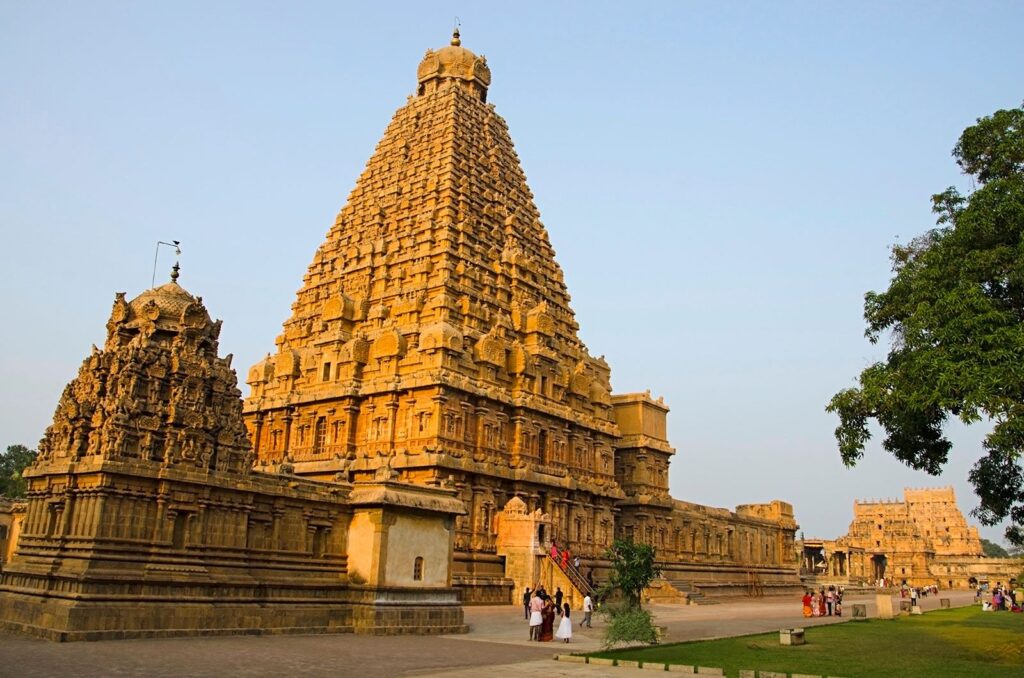
Thanjavur Brihadeeswara Temple (Peruvudaiyar Kovil)
The Thanjavur Brihadeeswara Temple, also known as Peruvudaiyar Kovil, is one of the greatest architectural masterpieces of the Chola dynasty. Built by the legendary King Raja Raja Chola I in the year 1010 AD, the temple stands as a testament to Tamil heritage and engineering brilliance. The towering Vimana, rising to about 66 meters, is one of the tallest in the world and is carved out of granite blocks whose origin still remains a mystery due to the lack of granite quarries nearby. One of the most astonishing facts is that the massive 80-tonne capstone on top was placed without modern equipment, showcasing ancient engineering genius. The temple is dedicated to Lord Shiva, worshipped here as Brihadeeswara, and houses one of the largest Shiva Lingas in India. The Nandi mandapa at the entrance contains a gigantic monolithic Nandi, carved from a single stone and beautifully polished. The walls of the temple are adorned with exquisite frescoes and inscriptions that record the cultural, musical, and administrative excellence of the Chola period. UNESCO has declared it a World Heritage Site under the “Great Living Chola Temples,” highlighting its universal cultural value. The temple complex also exhibits remarkable symmetry, precision, and balance in architectural planning. Even after more than a thousand years, the structure stands majestically without a single major structural damage, proving the durability of Chola craftsmanship.
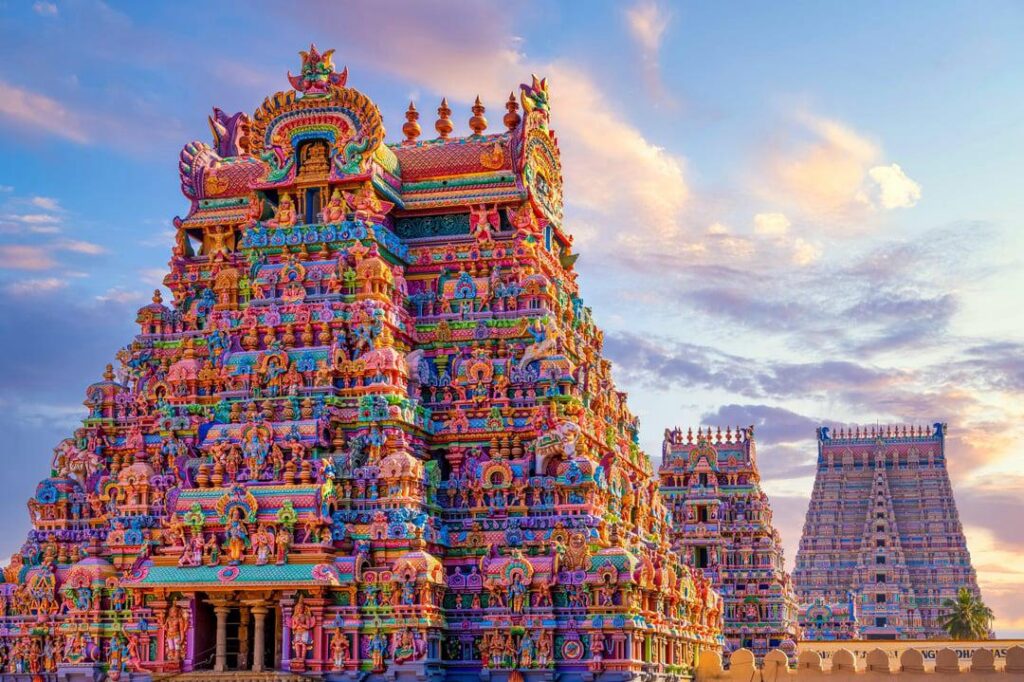
Srirangam – Sri Ranganathaswamy Temple
The Sri Ranganathaswamy Temple at Srirangam is the largest functioning Hindu temple complex in the world and one of the most sacred abodes of Lord Vishnu. Spread across 156 acres, the temple is enclosed by seven concentric prakarams, representing a unique blend of spirituality and urban planning. The main deity, Lord Ranganatha, is in a reclining posture on the cosmic serpent Adisesha, symbolizing peace and divine rest. The temple’s Rajagopuram, which is 236 feet tall, is one of the tallest temple towers in Asia and dominates the skyline of Srirangam. The structure has been developed and expanded over several centuries by the Cholas, Pandyas, Hoysalas, Vijayanagara rulers, and Nayaks. The temple is not only a spiritual center but also a treasure house of Dravidian art, featuring delicate stone carvings, massive halls, and beautifully sculpted pillars. One of the architectural highlights is the Thousand Pillar Hall, which displays extraordinary craftsmanship and symmetry. The temple hosts the famous Vaikunta
Ekadasi festival, which attracts millions of devotees from around the world every year. Srirangam is also the first and foremost of the 108 Divya Desams, making it central to Sri Vaishnava tradition. The temple’s cultural and historical legacy is deeply rooted in Tamil literature, especially the works of the Alwars and Sri Ramanujacharya, who shaped Vaishnavism here.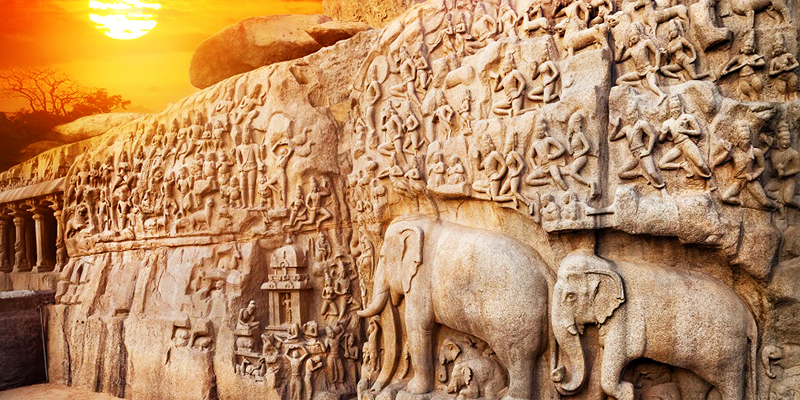
Arjuna’s penance (Descent of the Ganges)
Arjuna’s Penance is one of the largest and most magnificent open-air rock reliefs in the world. It is carved on two massive granite boulders and spans nearly 96 meters in length and 43 meters in height. The relief depicts multiple scenes from Hindu mythology and everyday life, making it a visual narrative carved in stone. Scholars believe it represents either Arjuna performing severe penance to obtain the Pashupatastra from Lord Shiva, or the descent of the sacred river Ganga to earth through Bhagiratha’s penance. The sculpture includes hundreds of figures—gods, sages, celestial beings, animals, nagas, and humans—each rendered with fine detailing. One of the most charming elements is the group of playful monkeys and animals that bring a lively, realistic feel to the panel. A natural cleft between the two rocks was used ingeniously to depict the flowing Ganges water in ancient times. This masterpiece highlights the Pallava’s deep understanding of stone carving and their ability to integrate natural rock formations into their artwork. It is considered a pinnacle of Pallava artistic expression. Visitors are often amazed at the scale, complexity, and dynamic energy of the carvings.
Pancha Rathas
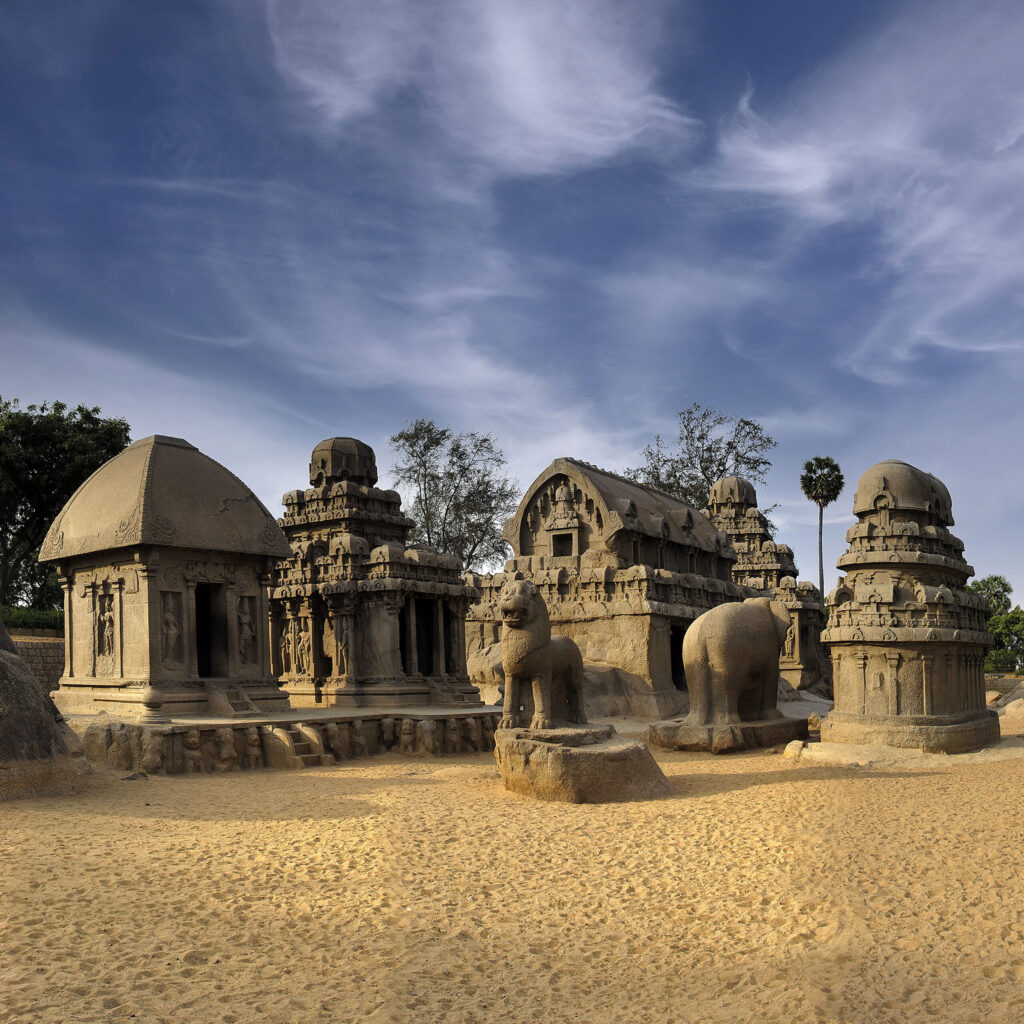
The Pancha Rathas, or Five Rathas, are monolithic rock-cut temples carved from single pieces of stone. Each ratha is dedicated to a character from the Mahabharata— Dharmaraja, Bhima, Arjuna, Nakula-Sahadeva, and Draupadi—though they were never intended for worship. These structures display early forms of Dravidian temple architecture and show experimentation with different shapes, layouts, and towers. The largest, Dharmaraja Ratha, resembles a multi-storied vimana and is noted for its beautifully carved sculptures of deities and guardians. The Arjuna Ratha features elegant carvings and typical Pallava roof patterns. Draupadi Ratha is the smallest and resembles a simple shrine, decorated with motifs of goddess Durga. The group stands as a perfect illustration of how ancient sculptors could transform solid rock into fully formed architectural wonders. The layout of the rathas resembles a procession of chariots, giving the site its poetic name. The surrounding animal sculptures, including the famous monolithic elephant and lion, enhance the artistic value. The Pancha Rathas serve as a crucial link in understanding the evolution of South Indian temple architecture.
Shore temple , Mahabalipuram
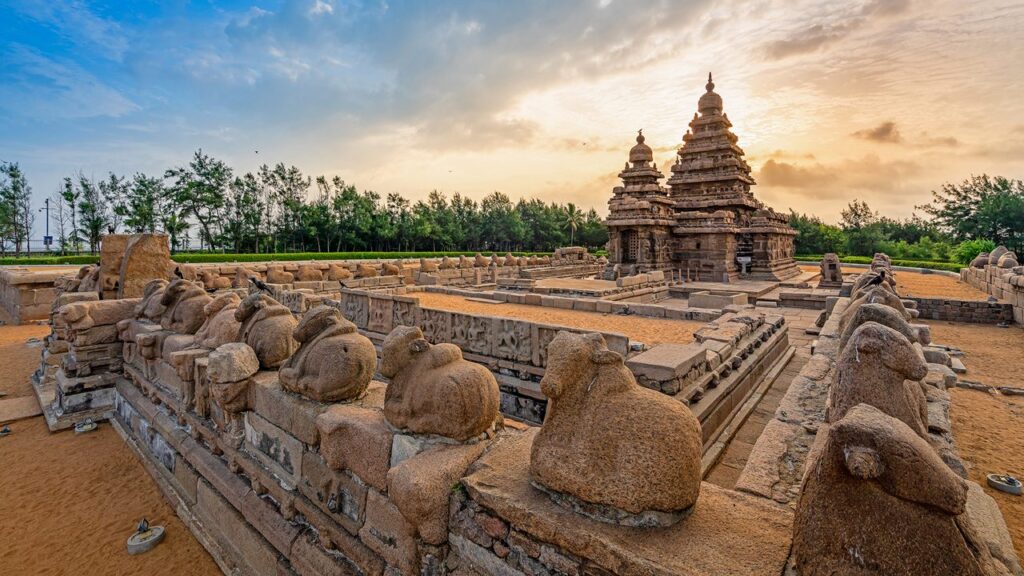
The Shore Temple stands majestically on the shore of the Bay of Bengal and is one of the earliest structural stone temples of South India. Built during the reign of Narasimhavarman II (Rajasimha), the temple marks a transition from rock-cut architecture to complete stone construction. It consists of two Shiva shrines and one Vishnu shrine, arranged in an east-west direction, showcasing a harmonious blend of Shaivism and Vaishnavism. The temple’s silhouette against the ocean, especially at sunrise and sunset, is one of the most iconic views of Indian heritage. The outer walls are adorned with rows of seated Nandis, forming a protective enclosure. Over the centuries, the temple has withstood strong winds, salt air, storms, and even tsunamis, proving the strength of Pallava construction techniques. Archaeologists believe that the Shore Temple once formed part of a larger complex of temples, many of which are now submerged. The temple is famous for the sculpture of Lord Vishnu reclining on Ananta, carved inside the inner sanctum of the Vishnu shrine. Shore Temple became globally known when UNESCO inscribed the Mahabalipuram group of monuments as a World Heritage Site. Its location, history, and craftsmanship make it one of the most memorable monuments in India.
Red Fort
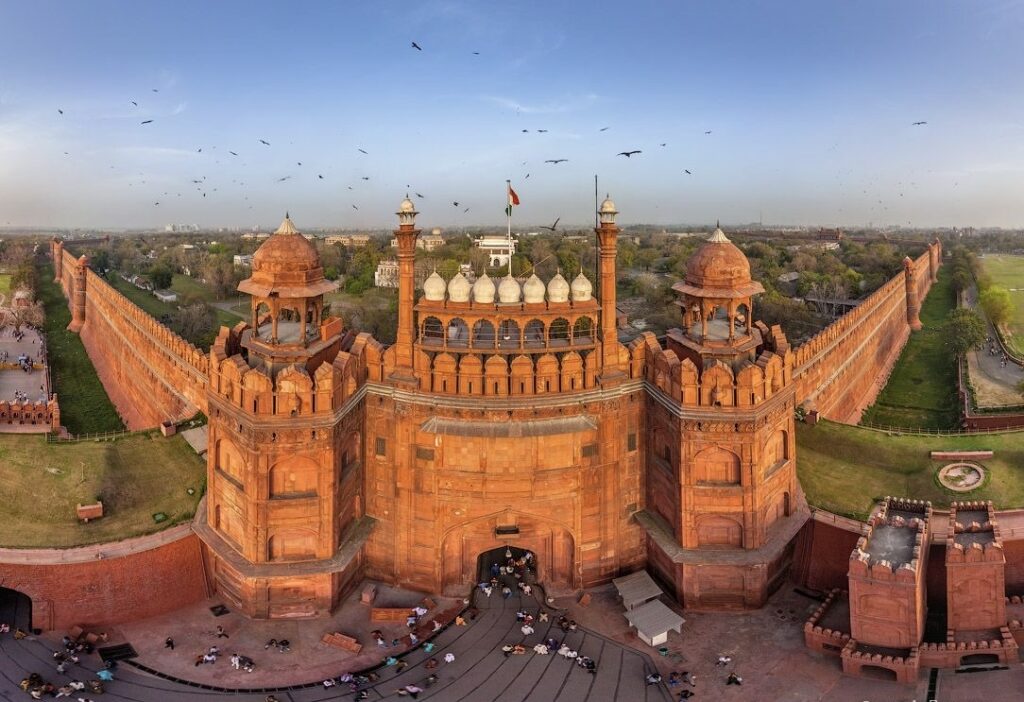
The Red Fort, or Lal Qila, is one of India’s most iconic monuments and a UNESCO World Heritage Site, symbolising the grandeur of the Mughal era and the spirit of India’s independence. Built by Emperor Shah Jahan in 1648, this massive red sandstone fortress once served as the royal residence of the Mughal emperors. The fort complex features magnificent structures such as the Lahori Gate, Diwan-i-Aam (Hall of Public Audience), Diwan-i-Khas (Hall of Private Audience), the mesmerizing Rang Mahal, and beautifully landscaped Mughal gardens. Its impressive architecture blends Persian, Timurid, and Indian styles, showcasing intricate carvings, marble work, and ornamental arches.
Today, the Red Fort stands not only as a historic architectural marvel but also as a national symbol, where India’s Prime Minister hoists the national flag every Independence Day. Visitors can explore its museums, stroll through ancient courtyards, and enjoy the popular evening Sound & Light Show that tells the story of Delhi through centuries. Located in the heart of Old Delhi and surrounded by bustling markets, the Red Fort offers a spectacular journey through history, culture, and the legacy of India’s royal past.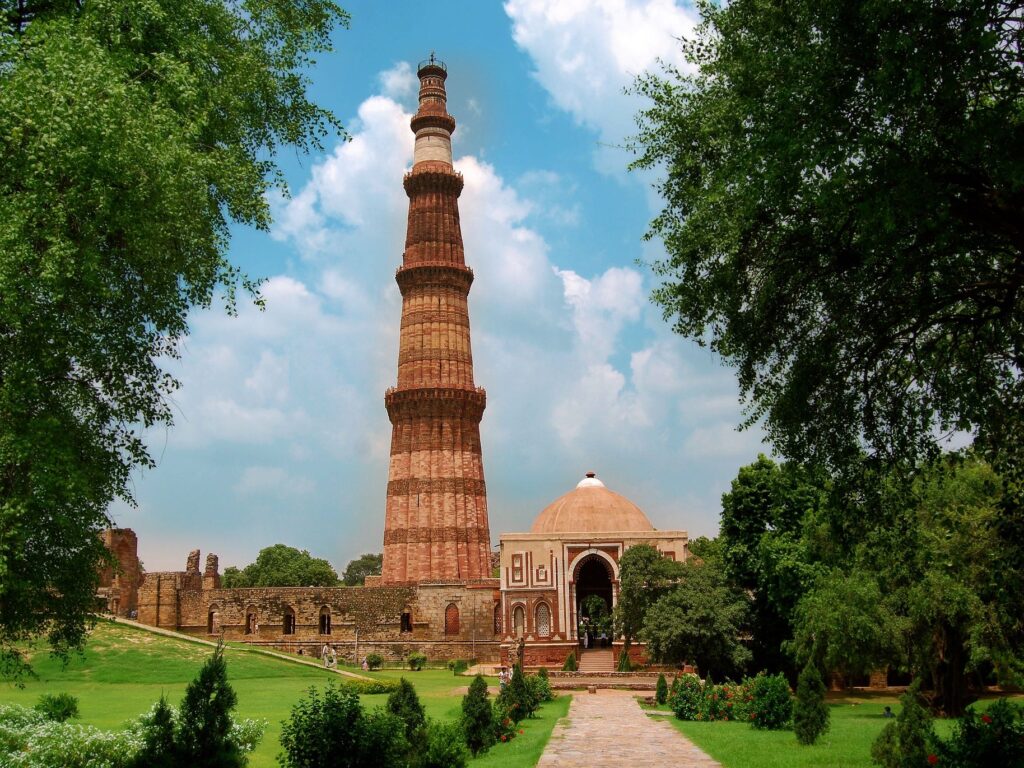
Qutub Minar
Qutub Minar, a UNESCO World Heritage Site in Delhi, is one of India’s most iconic historical monuments and the tallest brick minaret in the world. Built in the early 13th century by Qutb-ud-din Aibak and later expanded by his successors, the 73-metre-high tower is adorned with intricate carvings, verses from the Quran, and beautiful red sandstone patterns. The surrounding Qutub Complex is equally impressive, featuring the ancient Quwwat-ul-Islam Mosque—one of the earliest mosques in India—the Iron Pillar famous for its rust-resistant composition, Alai Darwaza, and ruins that narrate the evolution of Delhi’s architecture.
With its lush gardens, beautifully preserved structures, and a magical ambience especially during sunset, Qutub Minar is a perfect blend of history, art, and cultural heritage. It is one of Delhi’s most visited attractions, offering travellers a fascinating journey into the beginnings of the Delhi Sultanate and the architectural brilliance of medieval India.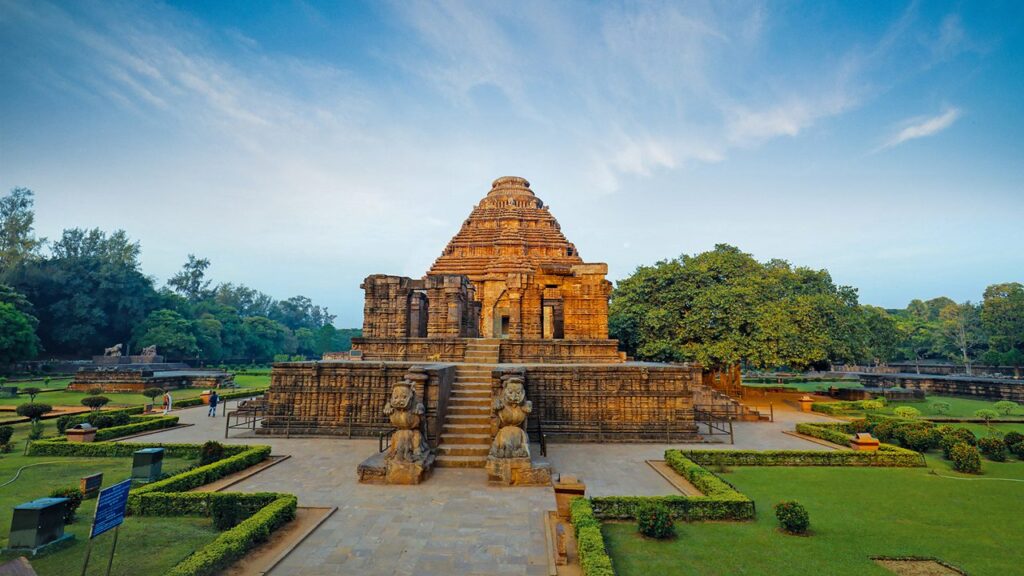
Konark sun temple
The Konark Sun Temple in Odisha is one of India’s most remarkable architectural marvels, built in the 13th century by King Narasimhadeva I of the Eastern Ganga dynasty. Designed in the shape of a colossal stone chariot, the temple features 24 intricately carved wheels and is pulled by seven magnificent stone horses. It is dedicated to Surya, the Sun God, and the entire structure is aligned east–west to capture the first rays of the sunrise. The carvings on the walls depict celestial beings, dancers, musicians, animals, and scenes of everyday life, showcasing exceptional craftsmanship. As a UNESCO World Heritage Site, the Konark Sun Temple is celebrated for its unique symbolism, architectural brilliance, and historical significance.
Akshardham temple (Delhi)
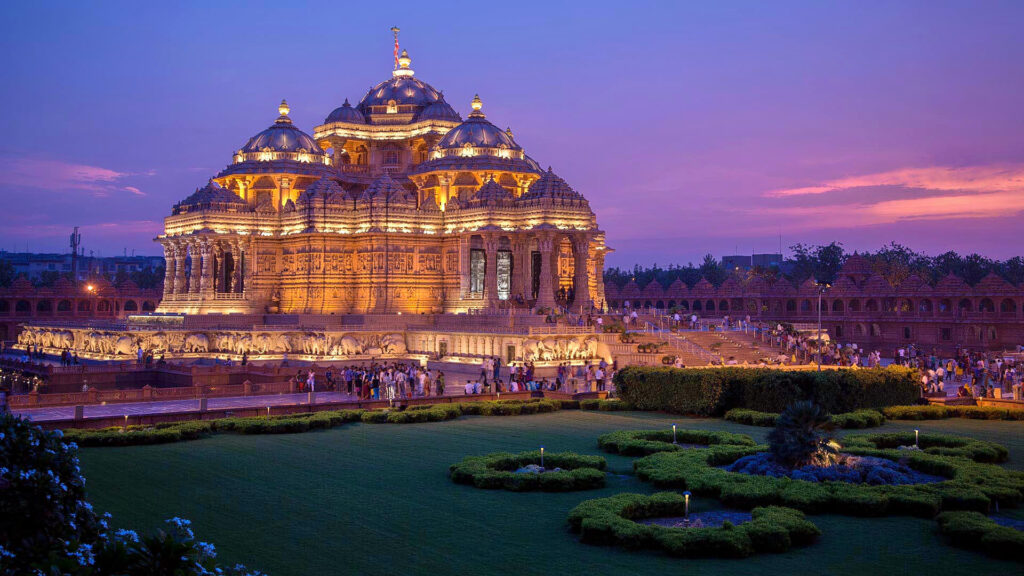
The Akshardham Temple in Delhi is a stunning modern architectural masterpiece built in 2005 and dedicated to Bhagwan Swaminarayan. Constructed using pink sandstone and white marble, the temple is famous for its intricate carvings of deities, flora, fauna, and traditional patterns. The complex includes the central Swaminarayan Mandir, a mesmerizing musical fountain, cultural boat ride, and exhibitions depicting India’s 10,000 years of heritage. The main shrine, built without the use of steel, showcases extraordinary craftsmanship and traditional temple-building techniques. Akshardham is one of Delhi’s most visited attractions and symbolizes peace, devotion, and the timeless beauty of Indian culture.
Brihadeeswara temple
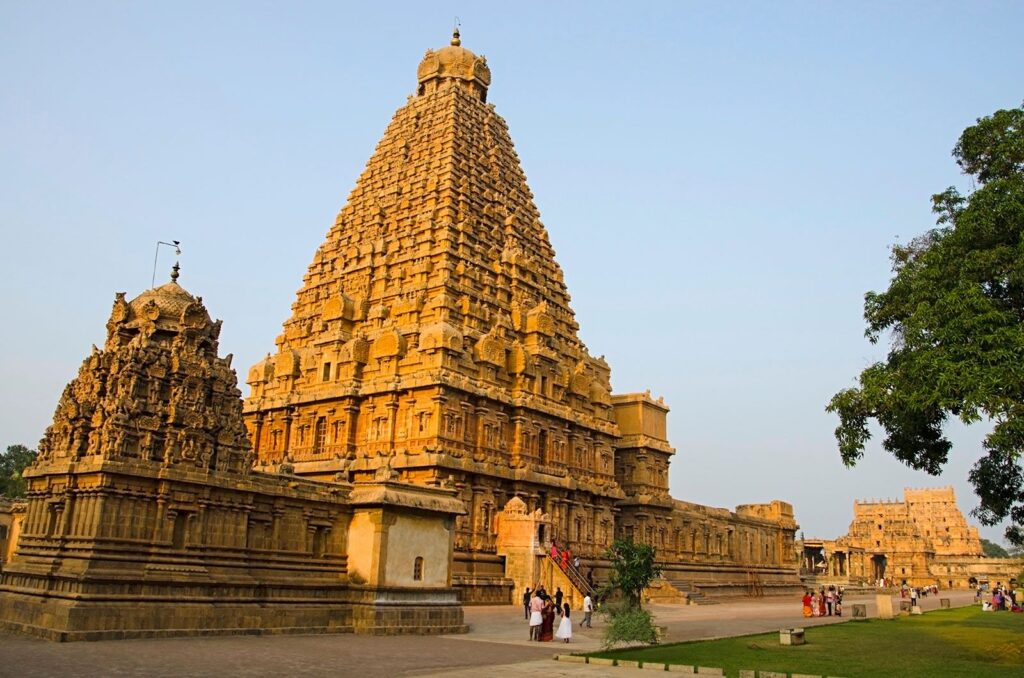
Brihadeeswara Temple, also known as the Big Temple, is the crown jewel of Thanjavur and one of the greatest masterpieces of Chola architecture. Built by the mighty Emperor Raja Raja Chola I in the 11th century, this UNESCO World Heritage Site stands as a symbol of Tamil culture, engineering brilliance, and spiritual grandeur. The temple is dedicated to Lord Shiva and is famous for its massive 66-metre vimana (tower), carved entirely from granite—a marvel that has remained untouched for over a thousand years. The majestic Nandi statue, sculpted from a single stone, the beautifully painted corridors, and the intricate carvings inside the sanctum make the temple an architectural wonder.
Visitors are captivated by the temple’s serene atmosphere, detailed sculptures, and the mysterious engineering feats—like the shadow of the main tower that never falls on the ground at noon. Surrounded by spacious courtyards, ancient paintings, and the cultural charm of Thanjavur, Brihadeeswara Temple offers every traveller a powerful blend of history, devotion, and artistic excellence. It is not only a pilgrimage centre but also a timeless heritage monument that celebrates the glory of South Indian civilisation.